


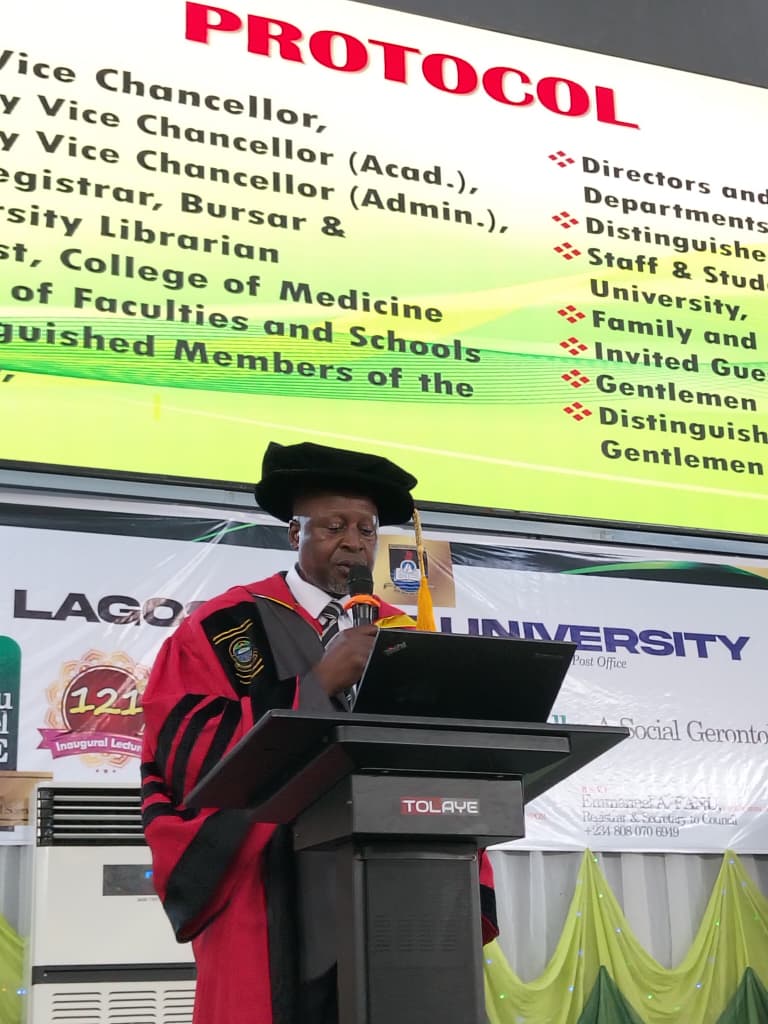
121st Inaugural Lecture Pushes Four-Level Plan: Self, Family, Community, State.
Professor Olanrewaju Ajiboye of the
Lagos State University, LASU’s Department of Sociology, says ageing should bring pleasure, not stress, urging Nigerians to reframe later life around dignity, resilience, and authenticity rather than a fight against wrinkles.
Professor Ajiboye, of LASU’s Department of Sociology, spoke while delivering the university’s 121st Inaugural Lecture, titled “That We May Age Gracefully: A Social Gerontologist’s X-ray of Later Life”, at the Buba Marwa Auditorium, Lagos State University, Ojo.
“Growing old gracefully means embracing the ageing process with dignity, positivity, and self-acceptance,” he told the audience.
“It should not be dreaded. It can bring a new sense of pleasure, if only you let it be.”
Professor Ajiboye also argued that supporting older persons requires action on four levels individual, family, community, and government built around independence, safety, social connection, and access to health and financial resources.
For individuals, he recommended regular gentle exercise like walking or yoga, balanced nutrition, hydration, and mental stimulation through reading or new skills. Assistive devices such as glasses, hearing aids, and walkers should be used without stigma.
“Change your attitude and you will change your life,” he said. “A busy mind is a happy mind. Redefine value from youth-oriented standards to the wisdom gained over time.” He urged older persons to laugh, have fun, stay authentic, share burdens with loved ones, and maintain confidence as they age.
Also for families, Ajiboye called for “ageing in place” through home safety modifications grab bars, better lighting, removing trip hazards. He stressed consistent social engagement to fight loneliness, help with medications and appointments, and respect for elders’ autonomy in care decisions. “Involve older adults in decisions to maintain dignity,” he said, while urging support and respite for family caregivers.
For communities, he pushed for senior support centres offering meals and health screenings, inter-generational programmes linking youth and elders, volunteer visitor networks, and “age-friendly designs with safe walkways and accessible transport.
And for the government, Professor Ajiboye recommendations included stronger pensions, subsidised geriatric care, national ageing policies that guarantee rights and participation, accessible housing, and elder-abuse helplines.
“Invest in public infrastructure for older adults,” he said. “Make medical services affordable and reduce wait times.”
Professor Ajiboye concluded that ageing gracefully hinges less on youthful looks and more on emotional resilience, humour about limitations, and continued contribution. “Do not vegetate because you are growing old.
That is the fastest way to break down. Maintain a youthful attitude.” the Professor noted.
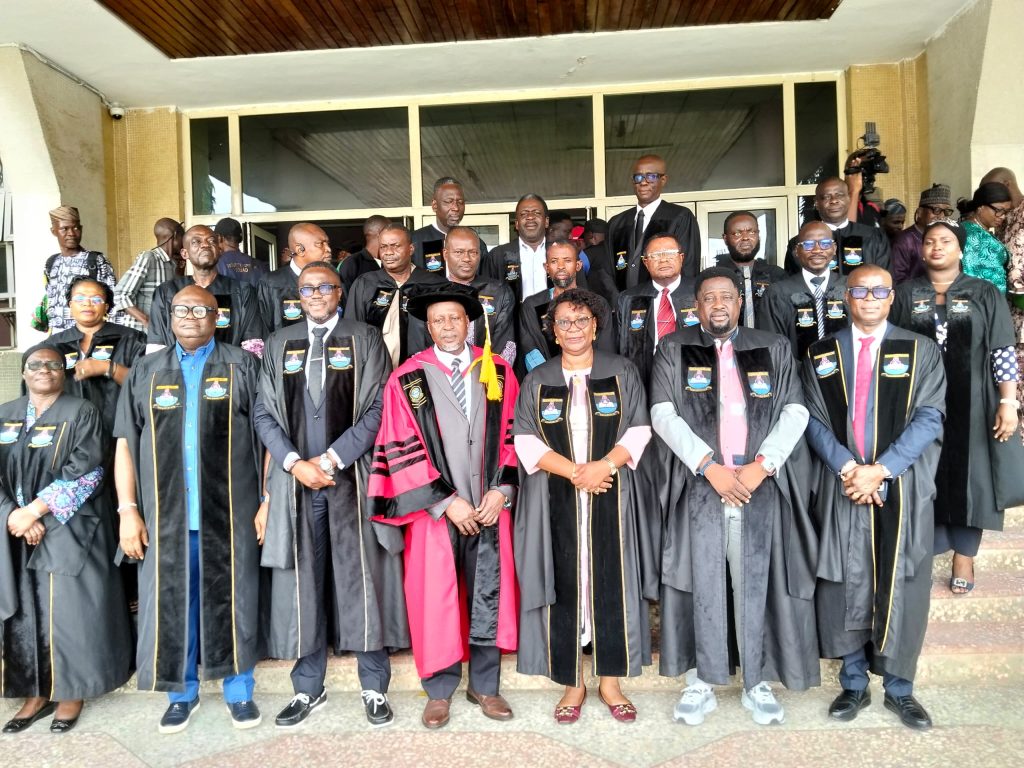
With these steps, Professor Ajiboye said, society can ensure ageing is marked by dignity, respect, and continued contribution rather than decline.
