



Lagos State Governor, Babajide Sanwo-Olu, has called on Nigeria to move from being a consumer of foreign technology to becoming a creator and exporter of home-grown digital solutions, particularly in the era of artificial intelligence.
Sanwo-Olu who was represented by his Special Adviser on Technology, Broadband and Innovation, Ganiyu Oseni, made the call at the Nigeria Innovation Summit 11.0 themed “Innovating in the Age of AI.”
He said AI must be applied to solve real problems in education, healthcare, agriculture, transportation, financial inclusion and public administration.
The Governor said Nigeria has abundant talent and creativity but needs a stronger ecosystem that converts ideas into products, businesses, intellectual property and jobs.
He urged the government, the private sector, universities and research institutions to work together to provide funding, infrastructure, mentorship, skills and market opportunities for innovators.
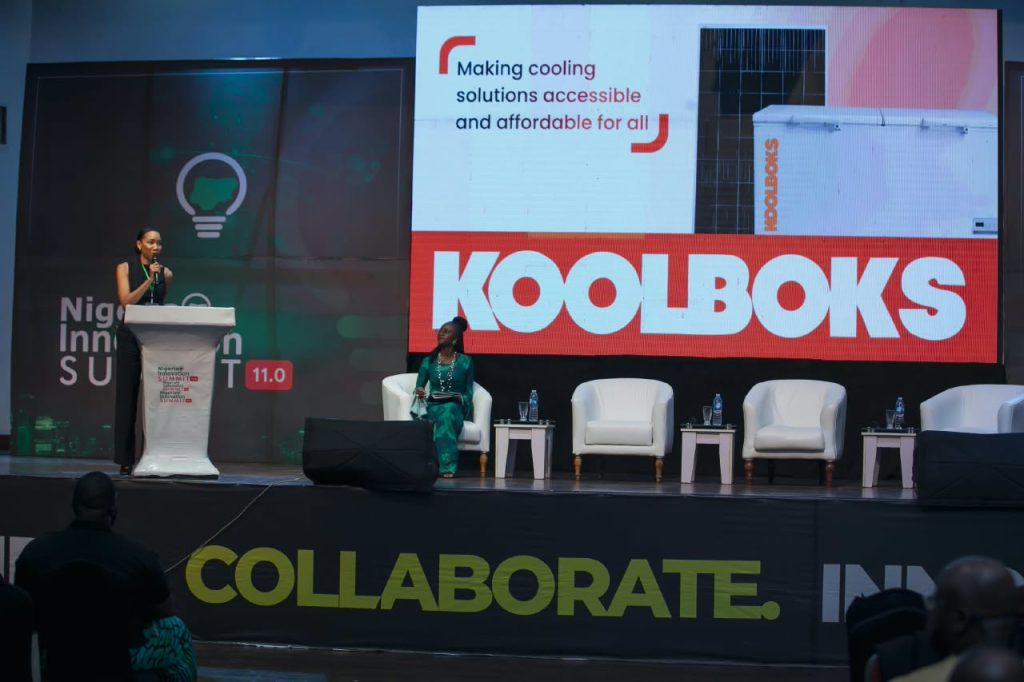
“Each of us has a part to play. Government must create an environment where innovation can flourish, the private sector must keep investing and creating the opportunities for enterprise” he said.
“Our universities and research institutions must strengthen the link between knowledge, research and commercial applications.We must also prepare our young people for this new economy” Sanwo-Olu said.
He said Lagos had attracted about $3.9 billion in venture funding over the past five years through the Lagos State Science, Research and Innovation Council, funded more than 70 university research projects and provided over N800 million in grants to research and more than 60 startups.
He also highlighted the State’s 6,000-kilometre metro fibre project, which has connected over one million people, as well as efforts to establish a dedicated legal framework for research and innovation.
According to Governor Sanwo-Olu, AI development must also address privacy, bias, accountability, transparency, fairness and access, noting that regulation should support rather than stifle innovation.
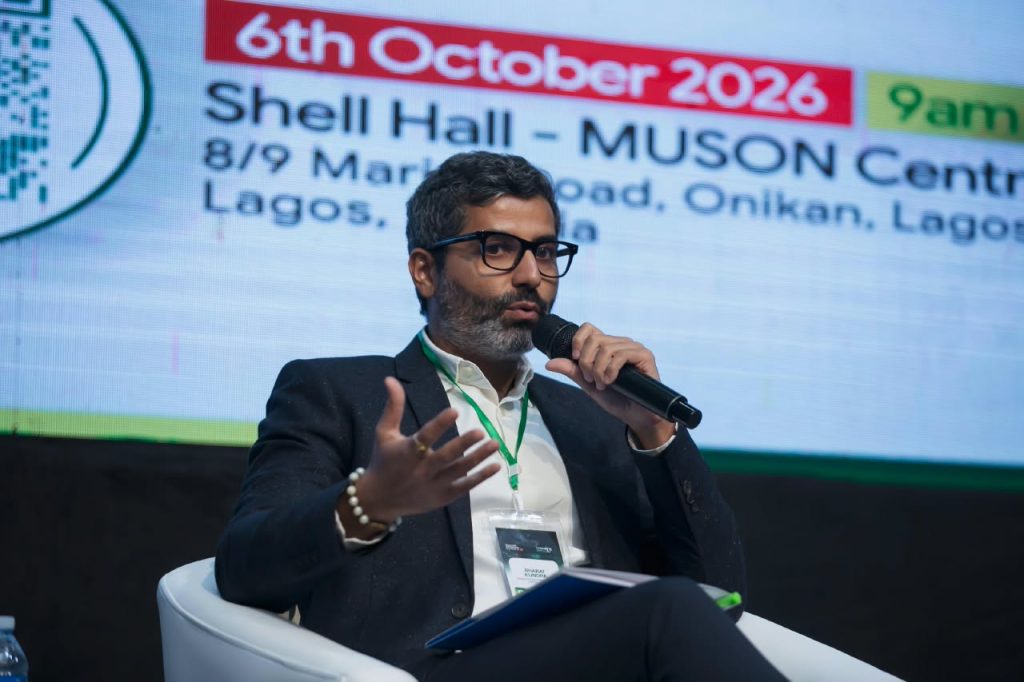
He urged innovators to ask not only what AI can do, but what problems it can solve for Lagos and Nigeria.
“The real measure is whether a child learns better, whether a farmer becomes more productive,
whether a teacher receives better care, whether a business becomes more competitive, whether a teacher receives better care, whether a government serves citizens more efficiently, and whether young Nigerians gain meaningful opportunities. That is the kind of innovation Nigeria needs” he said.
The summit also featured AI exhibitions, presentation of Inaugural reports of the Summit to the Governor, awards presentations and discussions on building Africa’s digital future and transforming African creativity into scalable digital businesses by Kevin Eze, panel sessions among others.
Programme Director of the Nigeria Innovation Summit, Tony Ajah, said the 11th edition was focused on helping individuals, businesses and the government integrate AI into their operations, describing AI as a major force shaping the future of nations. According to him, AI is no longer merely a tool but a strategic resource capable of shaping the future of nations and businesses.
“Innovation is a way of life, and if it’s a way of life, we can’t stop innovating. Each year, we look at key areas and how we can align while we innovate, he said”
He said the current focus on AI was informed by its growing influence across virtually every sector, stressing the need for Nigeria to fully integrate the technology into its systems.
“We are currently in the age of AI that is shaping how things are done, cutting across every sector. We are looking at how we, as a people, as a nation and as businesses, not just adopt AI, but integrate AI in every aspect of our dealings and operations”, Ajah

The Programme Director further described AI as a seed that countries must invest in today to secure future development.
“AI right now is not just a thing. It’s not just a tool. AI now is a seed. Countries that understand it are investing heavily into it and positioning the next generation to leverage on whatever investment they have made in various aspects of AI to drive their nations forward.”
Ajah urged the government and stakeholders to establish effective regulation and governance that would encourage rather than discourage the adoption of AI.
“My advice to government and stakeholders is for them to have good regulation and governance that will motivate people to embrace AI rather than refrain from AI. AI is here to stay.”
Also, the Chief Executive Officer Stackchase Limited, Ademola Osindero, called for Nigeria to move through a cycle of technological dependency, capacity building, control and commercialisation towards technological sovereignty.
Osindero cited that his company’s locally developed Ration workplace collaboration platform as an example of Nigerian technology capable of competing globally.
According to him, “Currently, we’ve just built Ration, a workplace collaboration platform that delivers your mail, professional emails, chats, meetings, the same meeting you have on Teams, Zoom, and the rest of the tools you need to build.”

”
“We have been around this technology space for about 34 years and I’ve seen different solutions, different usages and I feel it’s time for us to start building our own and start competing well around the world,” he said.
Also, Professor Chika Ikebandjo of the University of Lagos urged young innovators to build sustainable solutions and become employers of labour.
“I made a presentation of these two labs that I’ve mentioned now, the AI Unipod and the AI Lab, Artificial Intelligence and Robotics Lab,” she said.
According to Professor Ikebandjo, “And I came with some of the students that are interning there, researching there, and building there.
So we brought some of our products, especially the drone. We came with two different types of drones, and we presented what we do.”
She said universities must embrace AI rather than allow the technology to pass them by.
The summit had in attendance, speakers Nigerian National Petroleum Company, NNPC’s officials, members of the diplomatic communities, including UNICEF, technocrats, students among other dignitaries.
The Nigeria Innovation Summit 11.0 sought to connect, collaborate, create and innovate, bringing together government, investors, entrepreneurs, researchers, students and other stakeholders in Nigeria’s technology ecosystem.
