


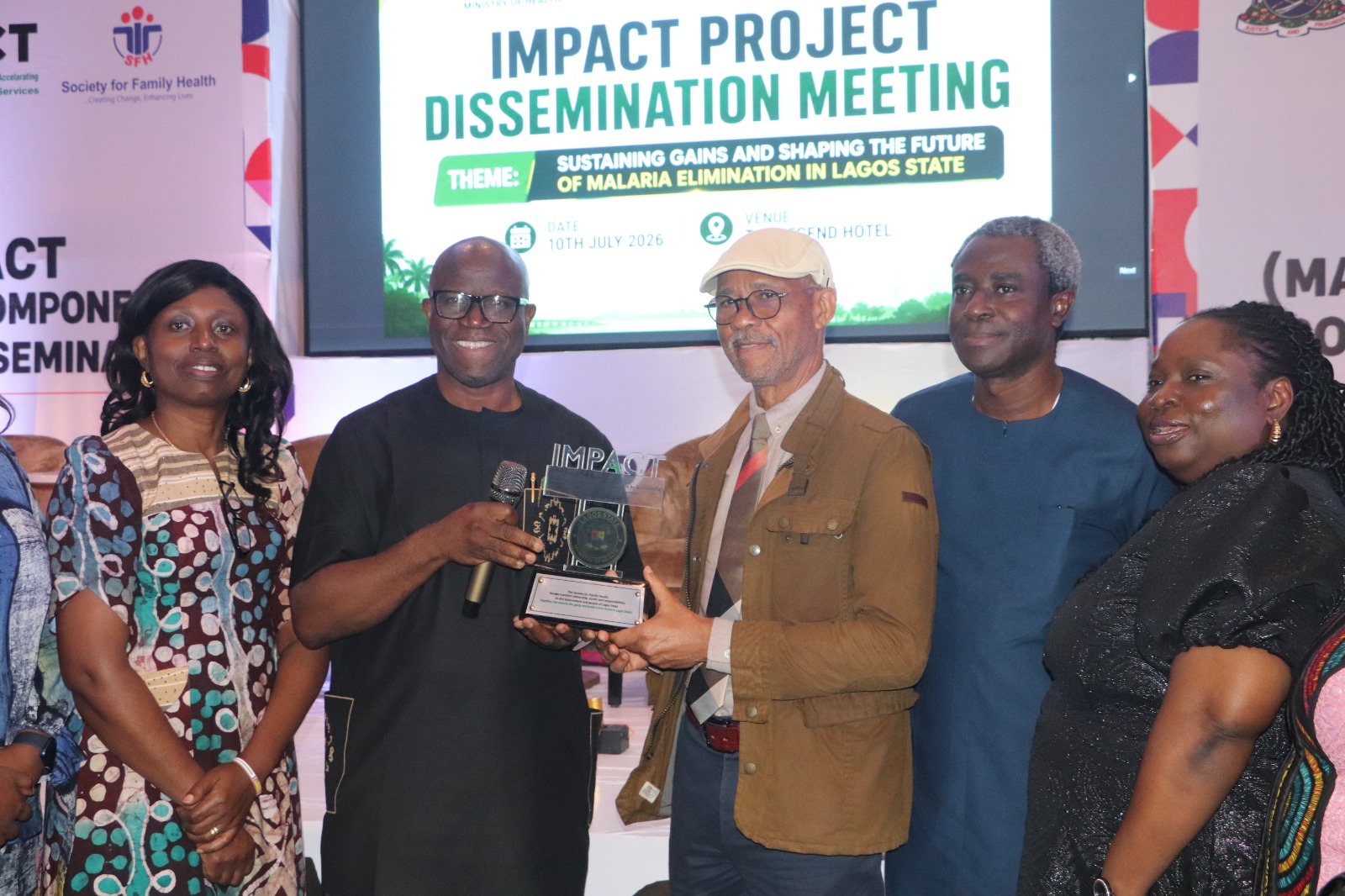
‘IMPACT Project boosts testing, positions state for malaria pre-elimination’.
The Lagos State Government has declared a major shift in fever management, announcing that only about 5 per cent of fever cases in the state are now caused by malaria.
The government has directed all public health facilities to base treatment on evidence, not assumptions.
The declaration was made by the Commissioner for Health, Professor Akin Abayomi, at the dissemination meeting of the Immunization Plus and Malaria Progress by Accelerating Coverage and Transforming Services, IMPACT, Project in Ikeja.
The World Bank-supported project was implemented by the Society for Family Health, SFH, in partnership with the Lagos State Ministry of Health.
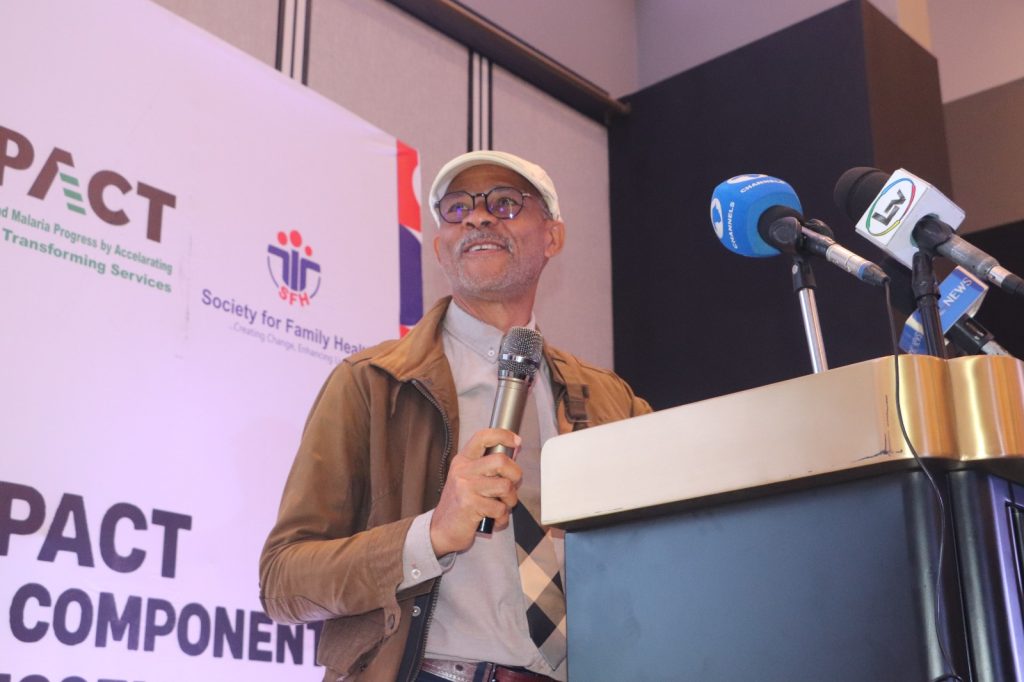
Speaking on an End of Automatic Malaria Diagnosis, Abayomi said data from the IMPACT Project has fundamentally changed clinical practice in Lagos and will shape fever management across Nigeria and West Africa.
He described the meeting as “the beginning of a new chapter” rather than the end of a project.
“For far too long, fever has automatically been equated with malaria. Good clinical practice begins with listening to the patient’s history, conducting a thorough examination and using diagnostic tools before reaching a conclusion,” he said.
The Commissioner said following the study, Lagos had directed all public primary and secondary facilities not to treat malaria unless patients test positive via Rapid Diagnostic Tests, RDTs.

He added that facility inspections confirmed a sharp drop in malaria diagnoses, validating the policy. He warned that treating every fever as malaria had led to misdiagnosis and even deaths.
“Today, we are ushering in a new era in Lagos, and indeed in Nigeria where fever management will be guided by evidence rather than assumptions, where diagnosis will precede treatment, and where better clinical practice will save more lives,” Abayomi stated.
On IMPACT Project Results, Group Chief Executive Officer, Society for Family Health, Dr. Omokhudu Idogho, said the project supported malaria diagnosis for over 2 million patients across 314 public and 289 private facilities, and provided free treatment for more than 50,000 confirmed cases.
Malaria test positivity, he said, declined from 43 per cent to 29.2 per cent during implementation.
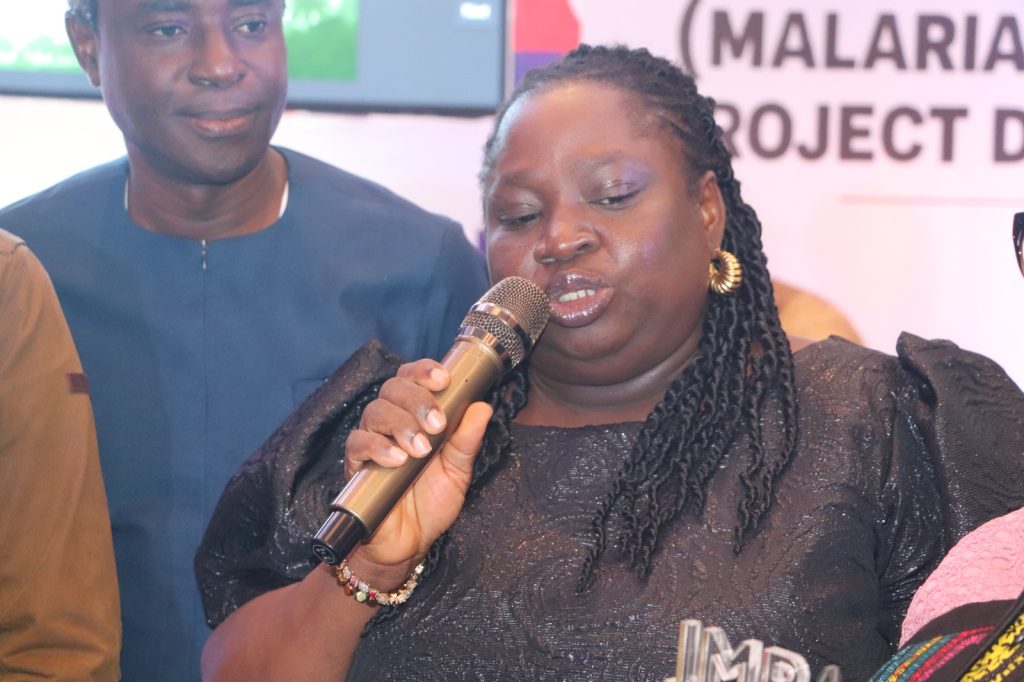
“Not every fever is malaria. Treating every fever as malaria leads to missed diagnoses and poor outcomes,” Idogho said.
He urged sustained investment in diagnosis, surveillance and public-private collaboration.
Managing Director, Society for Family Health, Advisory Services, Dr. Jennifer Anyanti, said the project also procured antimalarials, RDTs and waste management commodities, and set up Grievance Redress Mechanism committees in all wards.
She noted that Patent Medicine Vendors and community pharmacists were trained to “test before treatment.”
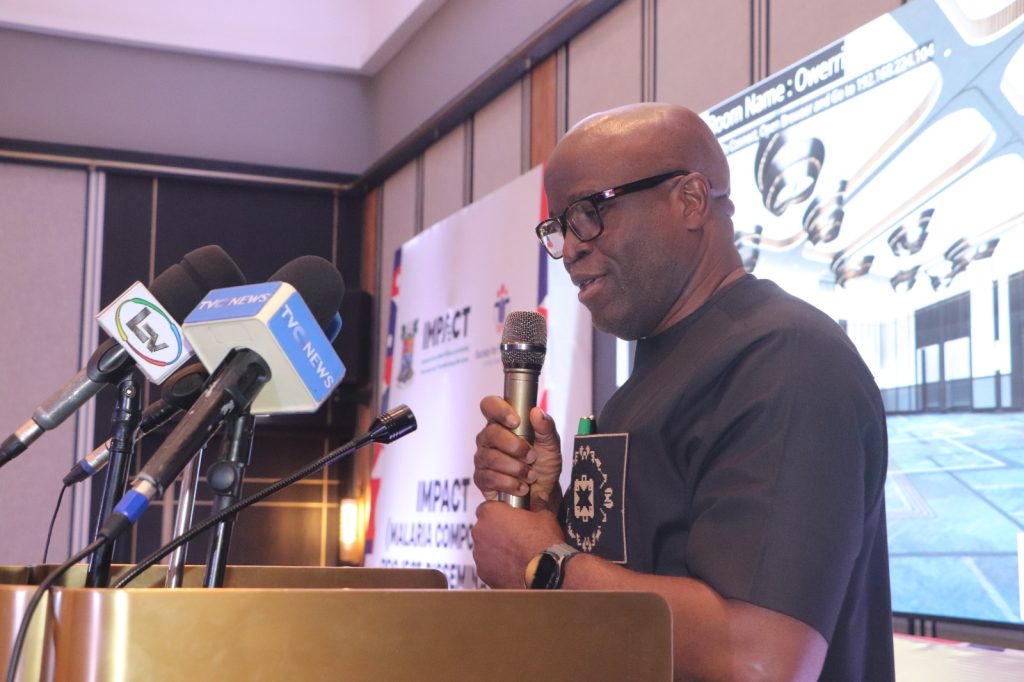
The Permanent Secretary, Ministry of Health, Dayo Olajide who was represented by the Acting Director, Disease Control, Doctor Abosede Wellington, said the State Nears Pre-Elimination, stated that the project strengthened prevention, diagnosis, treatment and immunization across all 20 Local Government Areas, LGAs, and 37 Local Council Development Areas, LCDAs.
She said malaria prevalence in Lagos dropped to about 2.6 per cent in 2025, putting the state firmly on the path to pre-elimination.
Presenting the “Lagos Malaria IMPACT Story,” State Malaria Programme Manager, Doctor Abimbola Oshinowo, said 1,279 health workers were trained, testing coverage rose to 98.3 per cent, and uptake of malaria prevention in pregnancy increased from 25 per cent to 93 per cent. Community mobilisation reached 1.38 million residents, while media campaigns reached over 10 million people.
In his technical presentation Strategic Considerations for Sustaining Interventions in a Pre-elimination Setting,” Professor and Consultant Medical Parasitologist, College of Medicine, University of Lagos, UNILAG, said the research backed study confirmed malaria test positivity among fever patients in Lagos at about 5 per cent, and microscopy at 2.4 per cent.
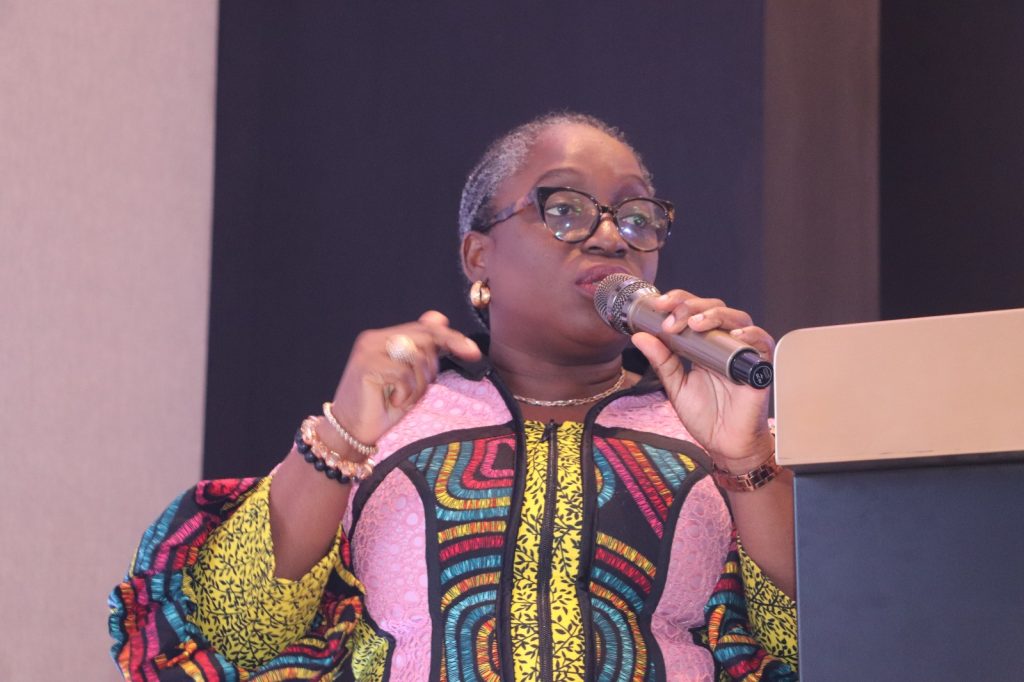
He said quality-assured RDTs showed 98.5 per cent sensitivity, making them reliable for routine diagnosis.
World Bank Task Team Leader, Doctor Onoriode Ezire, praised Lagos for generating evidence that is shaping national policy, and commended the project’s community engagement and accountability mechanisms.
Executive Secretary, Health Facility Monitoring and Accreditation Agency, HEFAMAA, Doctor Victoria Egunjobi, said the findings have empowered health workers to confidently tell patients that “not every fever is malaria.”
Stakeholders agreed that sustaining the gains will require continued investment in health worker training, surveillance, commodity supply, sanitation and government leadership.
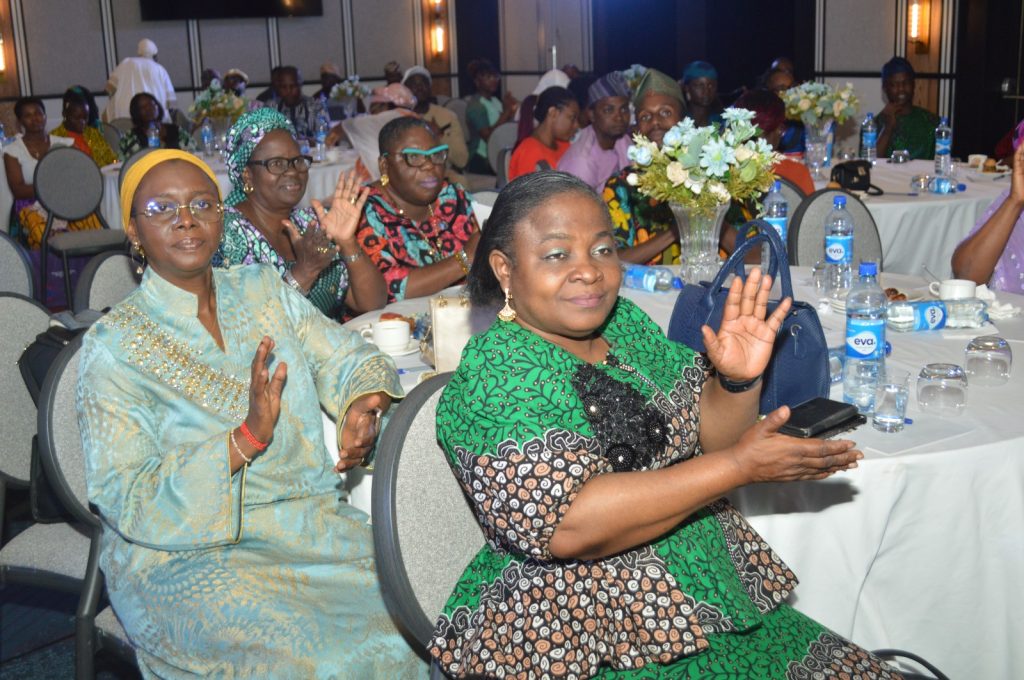
The event which had in attendance government officials, religious and traditional leaders, development partners among other stakeholders, featured the “Lagos State Malaria IMPACT Story,” beneficiaries’ testimonies, and a panel discussion.
