


The Lagos State Government has increased its 2026 HIV budget by 35 per cent, from 791 million naira to 1.065 billion naira, and commenced the distribution of government-procured antiretroviral drugs to ensure uninterrupted treatment for people living with HIV.
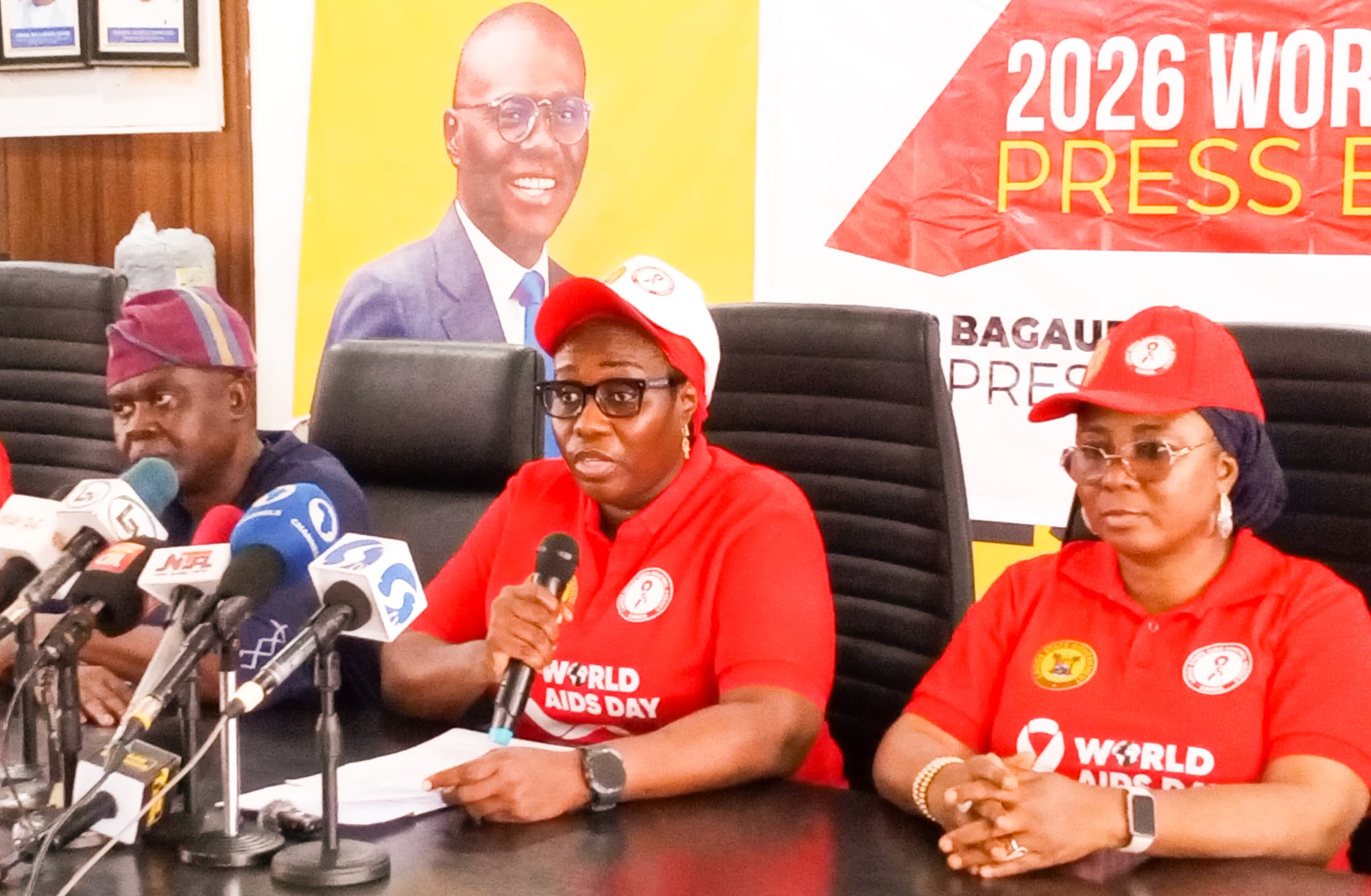
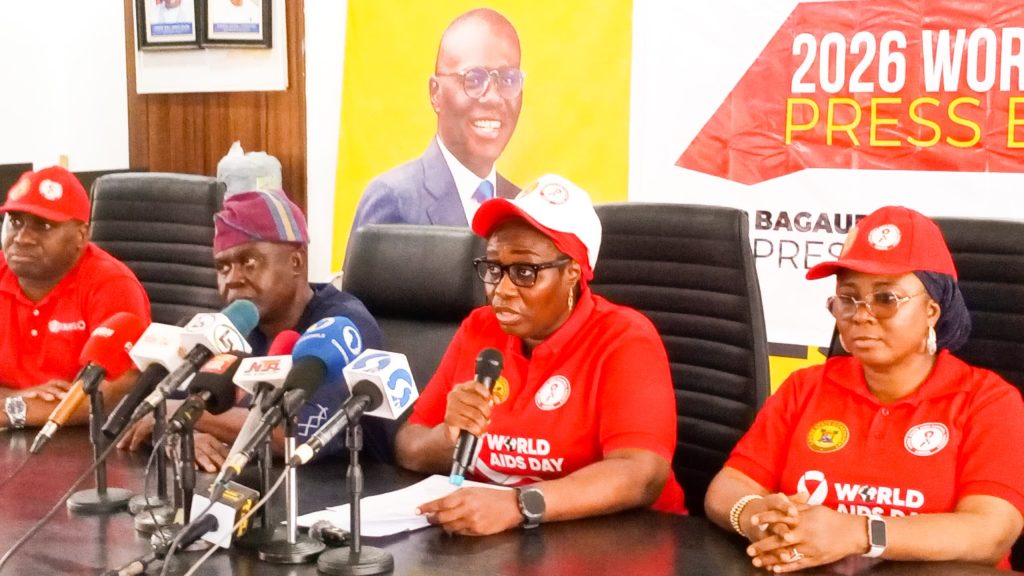
Chief Executive Officer of the Lagos State AIDS Control Agency,LSACA, Dr Folakemi Animashaun, stated this at a press briefing to commence activities for the 2026 World AIDS Day commemoration at the Baguada Kaltho Press Centre, Lagos.
Dr Animashaun said the increased allocation and procurement of medicines reflected the state’s commitment to strengthening domestic ownership of the HIV response and reducing vulnerability to changes in international funding.
She said the state was also developing a ten-year HIV Response Transition and Sustainability Roadmap covering 2027 to 2036, aimed at strengthening domestic financing, healthcare delivery, human resources, medicines, diagnostics, community participation and institutional accountability.
According to her, the proposed roadmap is expected to be formally launched by Governor Babajide Sanwo-Olu at the World AIDS Day Symposium on December 1, alongside the presentation of antiretroviral medicines procured by the state.
Dr Animashaun stressed that the sustainability initiative was not intended to replace development partners but to establish a stronger foundation for partnerships and ensure that essential HIV services remained available despite changing global financing arrangements.
She noted that the effectiveness of the state’s medicine procurement initiative would depend on proper forecasting, quality assurance, distribution and stock monitoring.
“The true measure of treatment security is not simply the purchase of medicines; it is whether the person who needs those medicines can obtain them consistently, without interruption,” she said.
Giving an update on the state’s HIV response, the LSACA chief executive said consolidated programme records showed 387,558 HIV-negative test results and 7,584 HIV-positive results.
She clarified that the figures represented test results and should not be interpreted as new infections or necessarily as the number of unique individuals tested.
The agency also recorded 156,122 new antenatal care clients and 156,109 HIV-negative test results among pregnant and breastfeeding women, highlighting the importance of integrating HIV services into maternal and child healthcare.
Dr Animashaun further disclosed that community-based services conducted 25,167 HIV tests among people aged 15 years and above between January and October 2026, with 1,166 positive results.
She said the agency’s focus extended beyond testing figures to ensuring that people who test positive were linked to treatment, remained in care and received the support required to maintain good health.
The LSACA’s chief executive identified stigma, discrimination, financial constraints and other barriers as challenges that continued to discourage residents from accessing HIV prevention, testing and treatment services.
Dr Animashaun urged residents to know their HIV status and take advantage of available prevention services, including condom use, HIV testing, pre-exposure prophylaxis and post-exposure prophylaxis where medically indicated.
She also emphasised that people living with HIV who take effective treatment and maintain an undetectable viral load do not transmit the virus sexually, a principle known as Undetectable Equals Untransmittable.
Dr Animashaun at the briefing which had in attendance Permanent Secretary office of the Chief of Staff, Semiu Oluwasanu Kadri, called on the media to promote accurate information, challenge harmful stereotypes and report responsibly, particularly by distinguishing between new HIV diagnoses and new infections.

She said LSACA would continue to coordinate the state’s multisectoral HIV response in collaboration with government ministries, healthcare institutions, development partners, civil society organisations and community groups.
The 2026 World AIDS Day activities are being held under the theme, “Ending AIDS Starts with Access: Equity, Ownership and Sustainability.”
The programme began on Thursday, November 19, with a press briefing and awareness rally, followed by a novelty football match at Campos Stadium, Lagos Island, on November 21.
Other activities include an empowerment programme for people living with HIV on November 23, a Jumat service on November 27 and a church service on November 29.
The commemoration will climax with a World AIDS Day Symposium at the Balmoral Event Centre, Lagos, on December 1, bringing together government officials, development partners, healthcare professionals and community representatives.
Dr Animashaun acknowledged the contributions of development partners, including the Joint United Nations Programme on HIV/AIDS (UNAIDS), the United States Health Assistance Office and the Global Fund, while calling for sustained collaboration to protect the gains recorded in the state’s HIV response.
Partners at the briefing commended Lagos State for being the first to procure antiretroviral drugs for people living with HIV and for increasing the state’s health insurance equity fund from one billion to three billion naira.
