


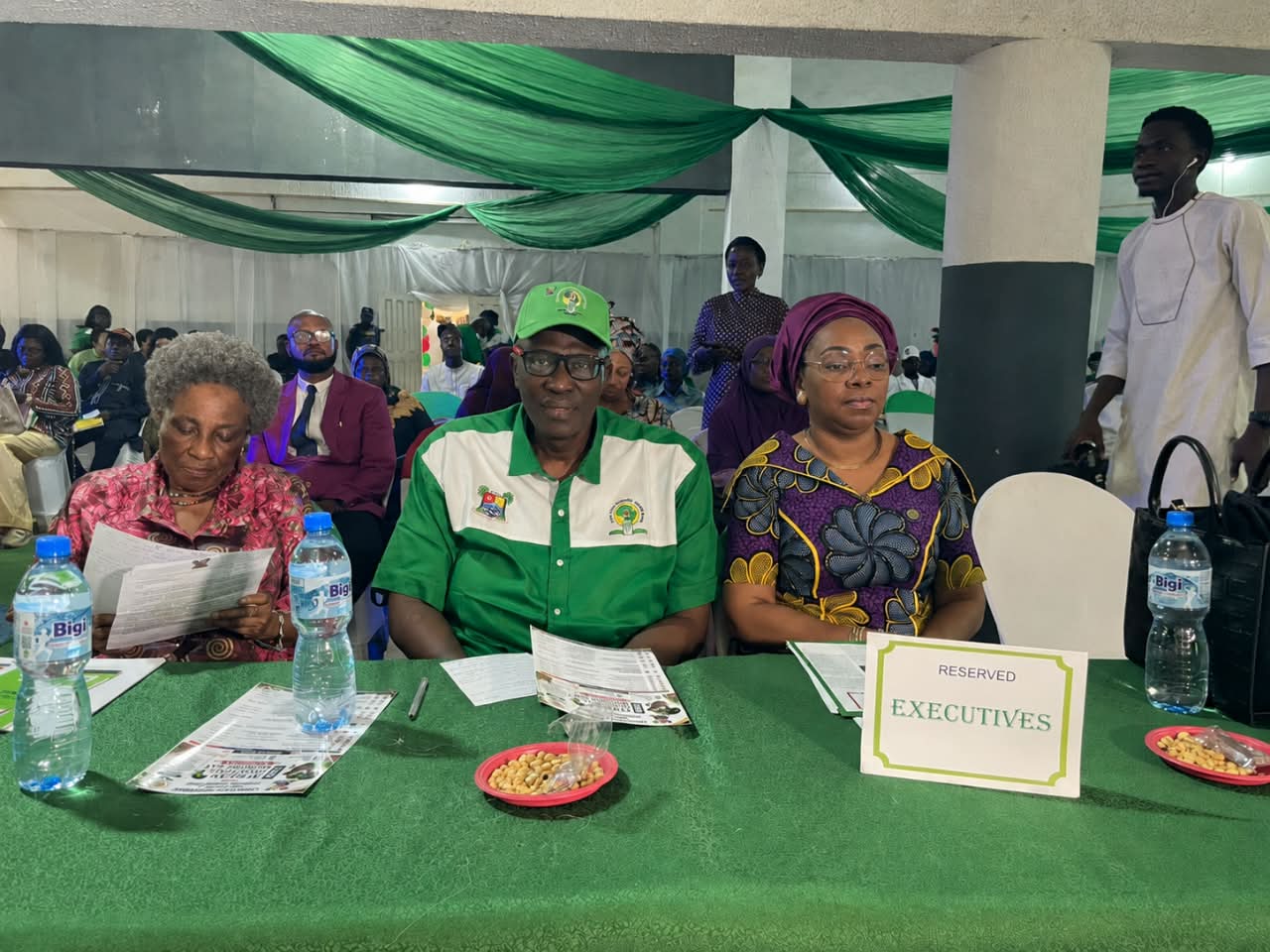
The Lagos State Government has called for stronger research, scientific validation and effective regulation of traditional medicine to ensure its safety, quality and effectiveness in contributing to Universal Health Coverage.
The Permanent Secretary, Lagos State Ministry of Health, Doctor Dayo Lajide, made the call at the 2026 celebration of African Traditional Medicine Day, organised by the Lagos State Traditional Medicine Board in Alausa, Ikeja.
The event, themed “Reflection on Research and Development Efforts of Traditional Medicine Towards Achieving Universal Health Coverage in African Region,” focused on strengthening traditional medicine through research, innovation and evidence-based practices.
Lajide said traditional medicine remains an important source of healthcare because of its cultural relevance, accessibility and affordability, but stressed the need to scientifically establish the safety, efficacy, appropriate dosage and possible side effects of traditional remedies.
She also called for research into possible interactions between traditional and conventional medicines, noting that promising traditional remedies must be developed into reliable and standardised health products.
The Permanent Secretary expressed concern over the growing use of traditional and alternative medicine through social media and digital platforms, warning that inadequate regulation could expose patients to unsafe products, unqualified practitioners and delays in accessing appropriate medical care.
She advocated a risk-based, science-informed and patient-centred regulatory framework that would protect the public while encouraging legitimate innovation and allowing credible practitioners and enterprises to thrive.
Lajide said research and development remained the bridge between traditional and modern healthcare, urging the public and private sectors to collaborate in documenting indigenous knowledge, conducting scientific research and developing products that address Africa’s health priorities.
In his welcome address, the Registrar of the Lagos State Traditional Medicine Board, Prince Babatunde Adele, said the Board remained committed to its regulatory mandate, professional development of practitioners and promotion of responsible traditional medicine practices.
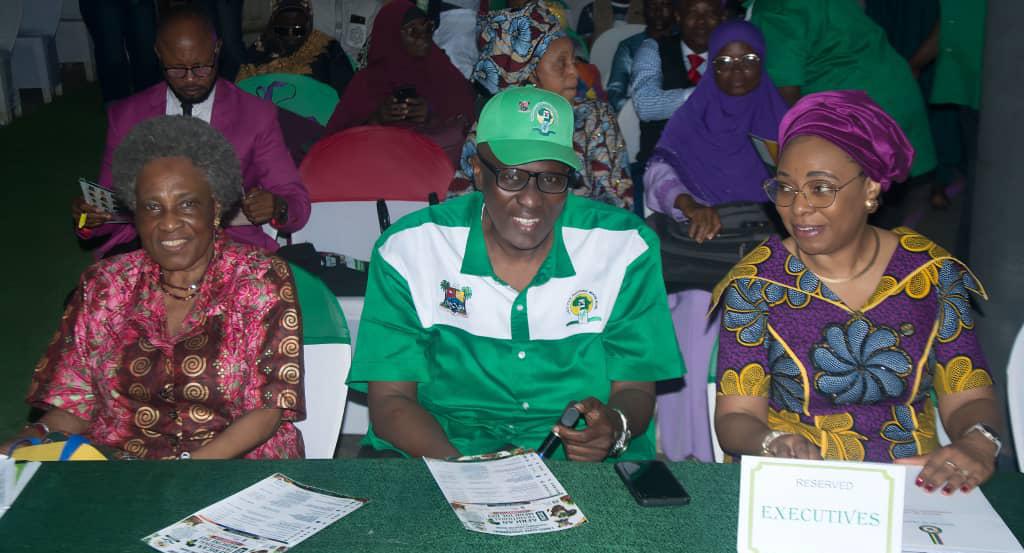
He urged stakeholders, including government, researchers, healthcare professionals, academia, industry and development partners, to collaborate in transforming Africa’s traditional medical heritage into safe, credible, evidence-informed and accessible healthcare solutions.
Giving an overview of the regulation of Traditional, Complementary and Alternative Medicine (TCAM) in Lagos State, the Director of Research, Training and Development, Lagos State Traditional Medicine Board, Hakeem Bello, said the Board, established in 1980, had continued to strengthen regulation, monitoring, evaluation and enforcement of standards in the sector.
Bello said the efforts were aimed at improving practitioners’ capacity, promoting synergy among stakeholders, providing a clear roadmap for the sector, and bringing sanity to traditional medicine practice in the interest of public health and socio-economic development.
Also speaking during a technical lecture on the theme, a former Chairman of the Governing Board, Lagos State Traditional Medicine Board, Professor Adebukunola Adefule-Ositelu, commended traditional medicine practitioners for continuing to provide healthcare services despite the challenges of brain drain in the health sector.
She called for increased government support for traditional medicine practitioners and urged them to intensify research and documentation of their practices to improve treatment outcomes.
Adefule-Ositelu also stressed the importance of adhering to ethical standards and professional codes, while encouraging practitioners to collaborate with conventional healthcare professionals and other stakeholders towards achieving Universal Health Coverage.
Stakeholders in the traditional and complementary medicine sector at the event called for stronger regulation, increased research, ethical practice and capacity building to improve the safety, effectiveness and credibility of traditional medicine in Lagos State.
The stakeholders further urged herbal medicine practitioners to invest in the development and scientific evaluation of traditional medicines, with emphasis on clinical effectiveness, ethical practices, research and evidence-based treatment.
They also advocated stronger but flexible regulatory frameworks and continuous capacity building to ensure that traditional medicine contributes meaningfully to healthcare delivery.
The event featured technical lectures, a panel discussion and presentations of success stories by selected traditional medicine practitioners, among other activities.
