



The Inspector-General of Police, Olatunji Rilwan Disu, the National Universities Commission (NUC) Chairman, Prof. Oluwatoyin Ogundipe, and the West African Examinations Council (WAEC) have called for proactive and sustainable measures to address security threats confronting schools across Nigeria.
They made the call on Wednesday at the seventh annual summit of the Education Writers’ Association of Nigeria (EWAN), held in Lagos, with the theme, “Schools Under Threat: From Reactive Responses to Sustainable Protection.”
Disu, who was represented by the Lagos State Commissioner of Police, Tijani Fatai, said school safety must be treated as a national security priority, stressing that protecting educational institutions required prevention, early detection, intelligence gathering and effective collaboration among stakeholders.
The IGP warned that insecurity in schools disrupted academic activities, heightened anxiety among families, undermined public confidence and threatened children’s access to education.
“A school should be a place where children acquire knowledge, develop their talents, build friendships and prepare for the responsibilities of adulthood,” he said.
He maintained that sustainable school protection required more than deploying security personnel after attacks, rescuing victims and arresting suspects, urging authorities to investigate the circumstances that enabled attacks and use lessons learnt to prevent their recurrence.
Disu said the Nigeria Police Force would continue to strengthen intelligence gathering, improve communication between schools and security agencies, identify security vulnerabilities and encourage the prompt reporting of credible threats.
He also called for stronger police-community partnerships, urging school administrators, teachers, parents, traditional rulers, community leaders and students to contribute to early-warning systems by reporting suspicious activities through appropriate channels.
The police chief urged schools to establish emergency response plans suited to their locations and vulnerabilities, including clear evacuation procedures, emergency communication channels and arrangements for contacting security agencies.
He also advocated the appropriate use of technology, including access-control systems, surveillance equipment and reliable emergency communication systems, while emphasising that technology must be supported by staff training, proper maintenance and effective coordination.
According to him, school safety measures must respect the dignity and rights of children, teachers and other members of the school community.
“Every child deserves access to education in an environment that is reasonably safe, regardless of geographical location or economic circumstances,” Disu said.
He further challenged education journalists to sustain attention on school safety beyond incidents of abduction and attacks, urging them to investigate security vulnerabilities, scrutinise government policies and highlight practical solutions.
He cautioned journalists against publishing unverified information, sensationalising security incidents or disclosing operational details that could jeopardise rescue efforts and endanger victims.
Disu also called for stronger communication between security agencies and journalists, noting that timely and credible information could reduce speculation and strengthen public confidence.
He urged EWAN to translate the summit’s deliberations into practical recommendations and sustained engagement with institutions responsible for education and security.
“Let us move from reacting to threats to preventing them. Let us move from isolated efforts to coordinated action. And let us move from temporary public concern to a lasting commitment to the safety of our schools,” he said
The NUC Chairman, Prof. Oluwatoyin Ogundipe called for the introduction of a dedicated school safety curriculum to equip teachers with specialised skills in security management, emergency preparedness and disaster response.

Ogundipe, who was represented by the Dean of the Faculty of Education, University of Lagos, Prof. Joseph Awoyinfa, said the increasing threats to educational institutions required a fundamental review of teacher education and school safety arrangements.
He expressed concern over the abduction of learners and teachers, attacks on school premises and other security challenges disrupting teaching and learning.
“We must introduce a curriculum that deals with school safety and produce teachers who will be in charge of safety in schools, rather than just general safety and disaster management,” he said.
He argued that teachers and school administrators should not be left to improvise when confronted with security threats, urging schools to establish functional emergency preparedness plans covering evacuation procedures, communication protocols, designated safe rooms and trained personnel.
The NUC chairman also advocated age-appropriate safety education to enable learners to respond appropriately during emergencies without being unnecessarily frightened.
He stressed that school protection must go beyond physical security measures such as perimeter fencing and closed-circuit television cameras to include strong community security systems, early-warning mechanisms and effective coordination among relevant institutions.
“A protected school is not only one with physical security measures, perimeter fencing or CCTV cameras,” he said.
Ogundipe identified weak governance in remote areas, socioeconomic vulnerabilities, poor institutional coordination and inconsistent policy implementation as factors contributing to school insecurity.
He called for a unified national school safety framework that would align the efforts of federal, state and local governments, security agencies, education authorities, civil society organisations and communities.
He also urged governments at all levels to prioritise school safety in their budgets, with investments in infrastructure, surveillance systems, secure transportation and boarding facilities, particularly in rural and conflict-prone communities.
The NUC chairman further highlighted the need for psychological support for survivors of school attacks, warning that trauma could affect their education and long-term development if left unaddressed.
He urged education journalists to investigate the implementation of school protection policies, track government commitments and hold relevant institutions accountable.
Ogundipe said safeguarding schools was about protecting the dreams, ambitions and futures of Nigerian children, warning that failure to protect educational institutions amounted to a failure to safeguard the nation’s future.
Also, the West African Examinations Council raised concerns over security threats and examination malpractice, revealing that some of its staff members had lost their lives while carrying out their duties.
The Head of WAEC Nigeria’s Security Printing Department, Printing Division, Mr Akinsola Akinbode, who represented the Head of National Office, Mr Suleiman Danlami Kum, said the council had faced several challenges in ensuring the safe and credible conduct of examinations across the country.
He recalled that WAEC lost about three staff members in 2013 after they were reportedly waylaid and killed by attackers while performing their duties.
“WAEC itself, as an examining body, has been a victim of insurgency. During the examination in 2013, we lost about three of our staff members to the hands of people who waylaid them,” he said.
Akinbode said the council continued to collaborate with the police and other security agencies to tackle examination malpractice and apprehend individuals suspected of compromising the integrity of examinations.
He explained that WAEC officials were not authorised to take the law into their own hands, noting that suspected offenders were handed over to law enforcement agencies for investigation and appropriate action.
The WAEC official outlined the examination process, explaining that test questions were developed by the council’s Test Development Division, moderated and converted into examination papers through secure printing procedures before being handed over to authorised custodians and supervisors.
However, he expressed concern that examination materials could be compromised during transportation, handling or distribution, while some papers had allegedly been exposed or circulated online before examinations commenced.
Akinbode criticised the conduct of some individuals entrusted with safeguarding examination materials, warning that their actions could undermine the credibility of the entire assessment process.
He said WAEC was intensifying efforts to deploy technology to curb examination malpractice and strengthen security throughout its operations.
He urged examination bodies, school administrators, security agencies and other education stakeholders to strengthen cooperation, accountability and vigilance to protect the integrity of public examinations and the credibility of certificates awarded to candidates.
Akinbode expressed optimism that Nigeria would eventually overcome its security challenges, urging stakeholders to remain committed to leaving a credible educational legacy for future generations.
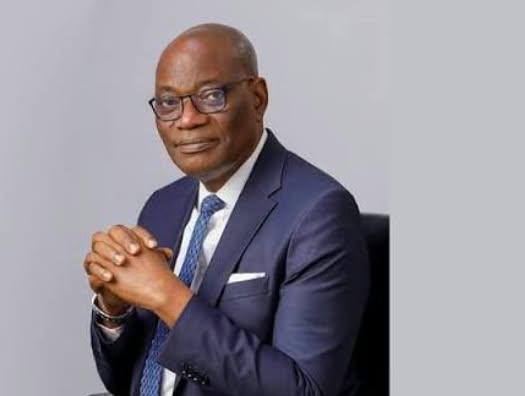
Earlier, the Chairman of the Education Writers’ Association of Nigeria, Mojeed Alabi, called on journalists to intensify investigative and accountability reporting on school safety, warning that the country could not afford to continue responding to attacks only after lives had been lost.
“Children are not safe until every school is safe,” Alabi said, stressing that no parent should have to choose between a child’s education and safety.
He cited the 2014 abduction of schoolgirls in Chibok, the subsequent Dapchi abduction and other attacks on educational institutions as evidence that school insecurity remained a persistent challenge with devastating consequences for education and national development.
Alabi also highlighted disruptions to schooling arising from sit-at-home orders in parts of the South-East, farmer-herder clashes and other forms of violence in several states.
He said journalists must move beyond reporting attacks after they occur to investigating warning signs, examining school emergency plans, scrutinising security budgets and tracking the implementation of government policies.
“When authorities announce new security measures, our reporting should not end with the announcement. When funds are allocated, we should investigate whether they are used as intended. When investigations produce recommendations, we should return to determine what has changed,” he said.
The EWAN chairman maintained that the media’s responsibility was not to embarrass institutions but to ensure they fulfilled their obligations and that children could learn in safer environments.
He urged newsrooms to invest in collaborative investigations, strengthen relationships with researchers and education experts, and use radio, television, newspapers, digital platforms and community media to reach underserved audiences.
Alabi also called on journalists to report school attacks with accuracy, dignity and sensitivity, particularly when covering children, survivors and affected communities.
He said education reporting should examine not only the number of people abducted or schools closed but also the number of school days lost, the support available to survivors and whether affected pupils eventually returned to school.
The EWAN chairman urged government and security agencies to respond promptly to credible threats, improve communication with affected communities and ensure consistent implementation of school safety measures.
He also called on education authorities, school proprietors and administrators to make safety planning an integral part of school management, while encouraging parents, teachers, students and community leaders to report credible threats through appropriate channels.
Alabi reaffirmed EWAN’s commitment to responsible education reporting, institutional accountability and sustained public attention on school safety.
“We cannot promise that journalism alone will end attacks on schools, but journalism can ensure that warning signs are not ignored, public resources are scrutinised, failures are exposed, promises are tracked and affected communities are heard,” he said.
He stressed that the success of school protection efforts should be measured by whether children could attend school without fear, teachers could teach safely and parents could send their children to school with confidence.
The summit featured panel discussions, awards and deliberations on strategies for strengthening school safety across Nigeria.
Those present included the Lagos State Commissioner for Basic and Secondary Education, Tolani Alli-Balogun, representatives of security agencies, education stakeholders, captains of industry and other dignitaries.
