


The Nigerian Railway Corporation, NRC, says it is positioning rail as a key driver of the country’s economic transformation and climate agenda, while seeking Global Gateway partnerships to decarbonise the sector.
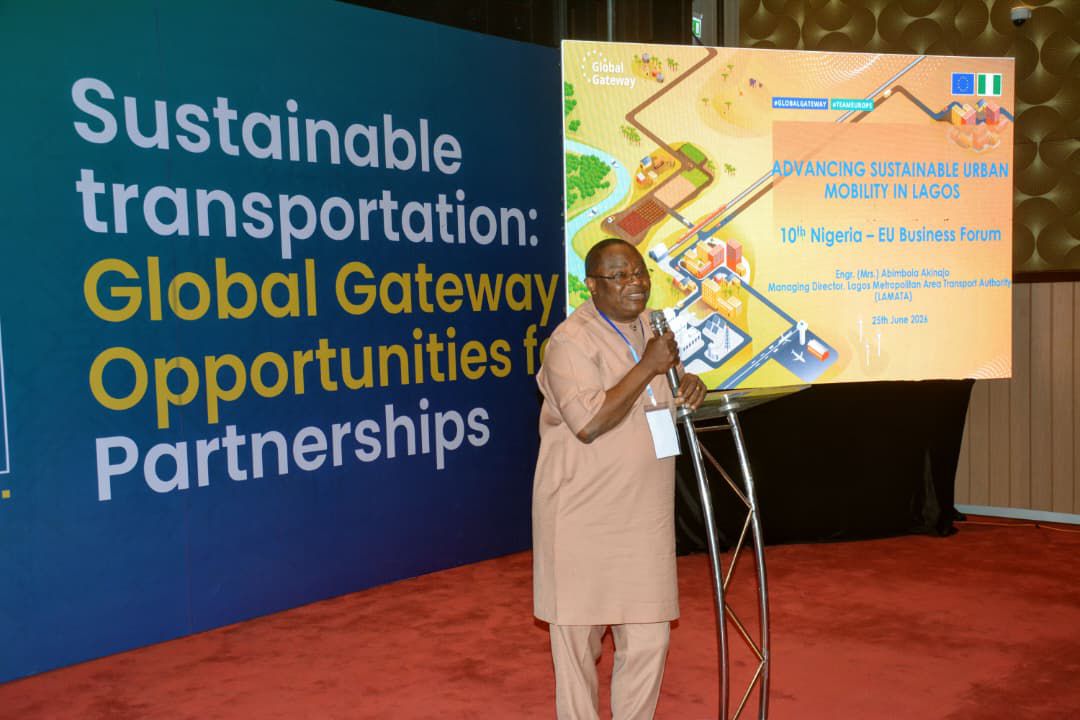
Managing Director/Chief Executive Officer of the Corporation, Doctor Kayode Opeifa, made the call at the 10th Nigeria-EU Business Forum in Abuja, themed Sustainable Transportation and Global Gateway Opportunities for Partnerships.
Speaking on “Accelerating Nigeria’s Rail Decarbonisation Journey Through Sustainable Investments,” Opeifa said rail is “not merely an infrastructure investment, but a strategic national asset” for growth, regional integration, environmental sustainability, and social inclusion.
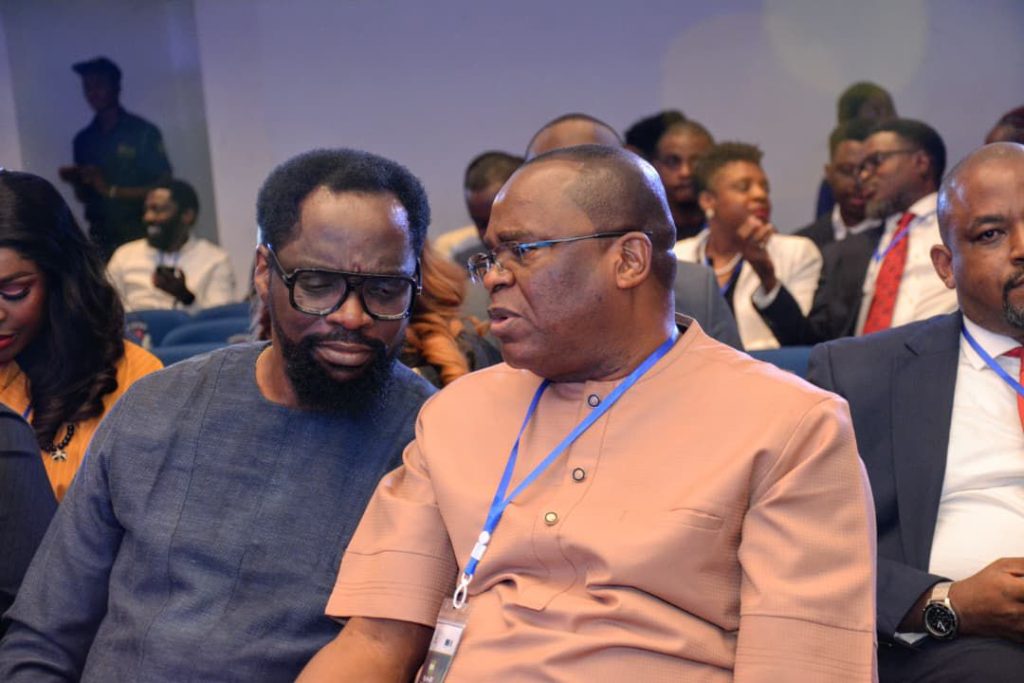
The NRC’s chief noted that rail remains one of the cleanest and most energy-efficient modes of transport. “By strengthening our railway network, we can significantly reduce carbon emissions, ease congestion on our highways, lower logistics costs, improve passenger mobility, and stimulate industrial and commercial activities across Nigeria,” he said.
According to Opeifa, the Corporation is pursuing reforms to strengthen rail infrastructure, improve operational efficiency, enhance freight services, and attract more private sector participation through sustainable investment models.
Opeifa described the European Union’s Global Gateway initiative as “a unique opportunity to deepen collaboration” with Nigeria. He said the NRC welcomes partnerships in railway modernization, green technologies, renewable energy integration, digital rail systems, capacity building, and innovative financing “that will unlock the full potential of Nigeria’s railway sector.”
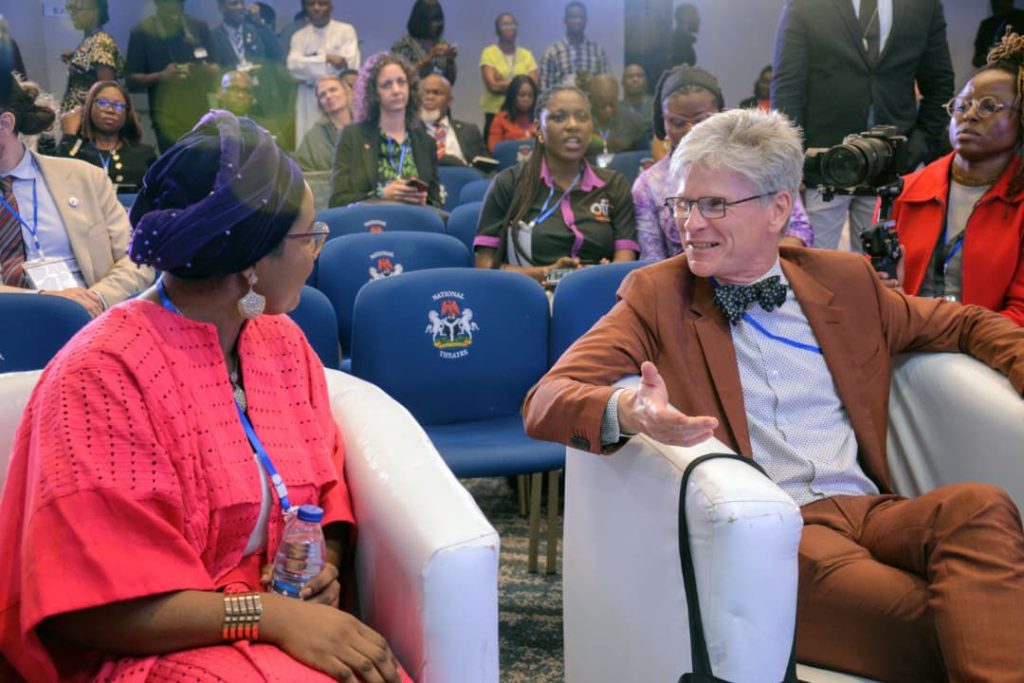
“Sustainable transportation is no longer an option; it is a necessity,” he told the gathering of EU officials, investors, development partners, and diplomats. “Investment in rail infrastructure will remain one of the most impactful decisions we can make for future generations.”
The NRC boss called on investors, development finance institutions, technology providers, and strategic partners to join in transforming Nigeria’s rail network into “a resilient, competitive, and low-carbon transportation system” that supports inclusive economic development.
“Together, we can accelerate Nigeria’s rail decarbonisation journey, strengthen regional connectivity, create jobs, facilitate trade, and build a more sustainable future for our nation,” Opeifa said.
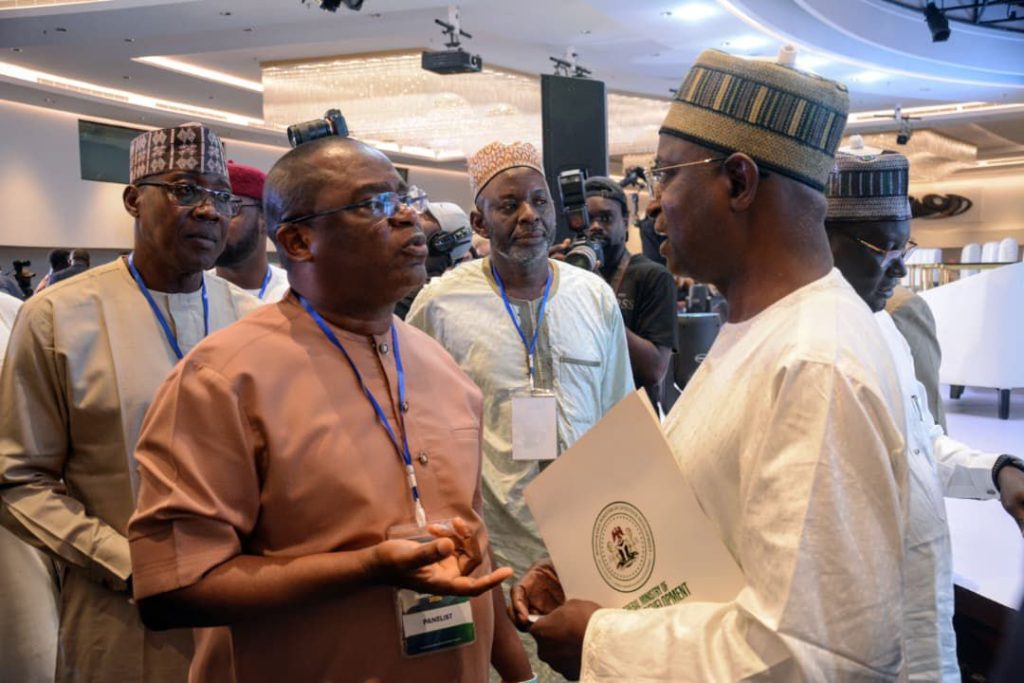
He thanked the EU and organisers of the Forum for providing the platform for dialogue and collaboration.
