


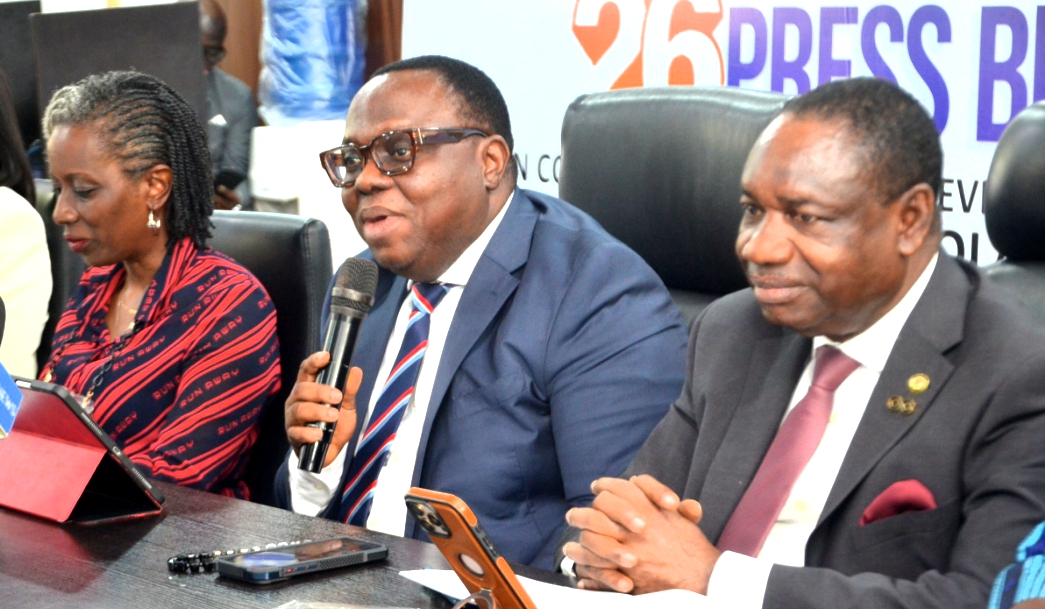
The Lagos State Government has unveiled an ambitious plan to end persistent blackouts and establish a 24-hour electricity market powered by private investment, independent power generation and smart metering systems.
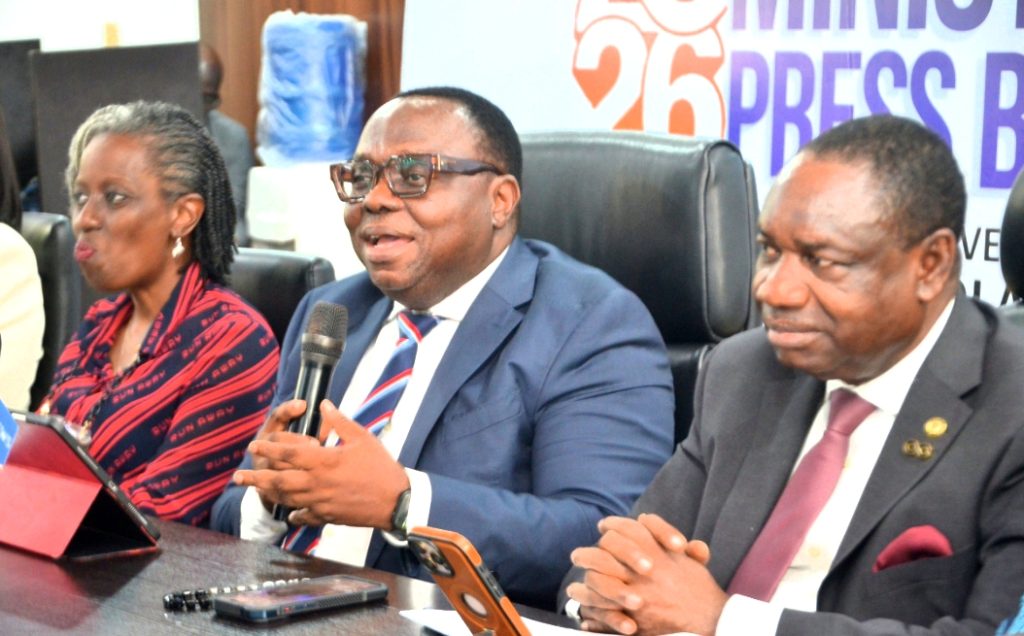
Commissioner for Energy and Mineral Resources, Biodun Ogunleye, disclosed during the 2026 Ministerial Press Briefing in Alausa that the reforms are being driven by the implementation of the Lagos State Electricity Law 2024.
“The administration’s plan for a farewell to the culture of blackouts rests on strong regulatory institutions, investor-friendly policies, independent power generation and full metering,” Ogunleye said.
He said the government aims to achieve between 95 and 100 per cent grid availability, full metering penetration and single-digit energy losses by 2030, while the Lagos State Electricity Regulatory Commission has already issued 14 licences to electricity operators.
The Commissioner also announced major infrastructure projects, including the Badagry electricity corridor and the Lekki-Epe Integrated Energy Corridor, alongside the deployment of thousands of smart solar streetlights and renewable energy upgrades in schools and healthcare centres.
“Among the major projects highlighted was the 37.7-kilometre Badagry electricity infrastructure corridor, which includes three high-voltage distribution towers crossing the Gbaji Lagoon and the rehabilitation of 33kV lines linking Gbaji, Seme, Owode and Apa”, he stated.
Ogunleye stated that Lagos is expanding clean energy initiatives through compressed natural gas vehicle conversion, electric vehicle infrastructure and wider access to cleaner cooking energy as part of efforts to build a sustainable and investor-friendly energy future.
He said 22,000 conventional streetlights had already been replaced with solar-powered systems on corridors including Gbagada-Oshodi Expressway, Lekki-Epe Expressway, Lagos Island Expressway and Ikorodu Road.
The Commissioner further disclosed that nearly 40,000 solar-powered streetlights were now operational across the state.On power interventions in public institutions, Ogunleye said Gbagada General Hospital now enjoys between 21 and 22 hours of uninterrupted electricity daily following the installation of 2MVA and 1MVA transformers.
He said renewable energy upgrades had also been completed in 52 secondary schools and 11 primary healthcare centres through lithium-ion battery replacement projects.In the oil and gas sector, Ogunleye said Lagos was positioning itself as a leader in clean transportation through compressed natural gas, CNG, and electric vehicle infrastructure.
According to him, 244 vehicles had already been converted to CNG, while 17 CNG stations are expected to become operational before the end of 2026.
The Commissioner disclosed that more than 80,000 households across Lagos now have access to cleaner cooking energy through the state’s LPG expansion programme.
He added that the state government was also developing the Oshodi Energy Hub, a multi-purpose facility expected to provide LPG, PMS, AGO, CNG, EV charging and vehicle conversion services.
On mineral resources, Ogunleye said the ministry intensified enforcement against illegal dredging, sand overloading and unauthorised land reclamation while strengthening environmental monitoring operations.
He said designated mining sites had been approved at Ilamija, Kajola, Orimedu and Akodo to support the construction of the Lagos-Calabar Coastal Road project.
The Commissioner reiterated the government’s commitment to building a resilient, inclusive and sustainable energy future for Lagos through stronger regulations, private sector participation and strategic infrastructure investments.
